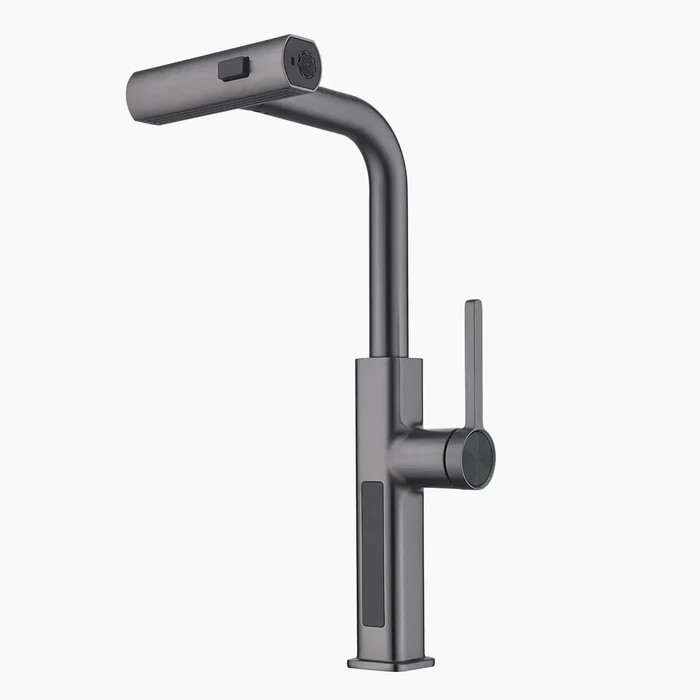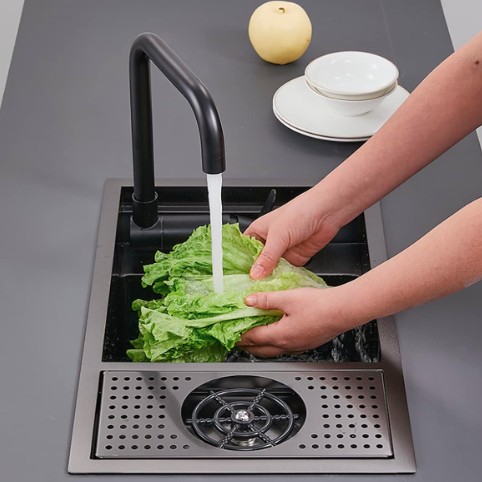
In this comprehensive guide, we explore the concept of the concealed basin faucet—a modern, elegant plumbing solution that integrates seamlessly into bathrooms and powder rooms. We answer key questions about design, installation, maintenance, common challenges, and the value it brings to both residential and commercial spaces. Whether you’re a homeowner, designer, or contractor, this blog will help you understand why the concealed basin faucet trend is gaining momentum in contemporary interior design.

Table of Contents
- What Is a Concealed Basin Faucet?
- How Does a Concealed Basin Faucet Work?
- Why Choose a Concealed Basin Faucet?
- Which Types of Concealed Basin Faucets Are Available?
- How to Install a Concealed Basin Faucet?
- What Are the Benefits of Concealed Basin Faucets?
- How to Maintain a Concealed Basin Faucet?
- Frequently Asked Questions (FAQ)
- Conclusion
What Is a Concealed Basin Faucet?
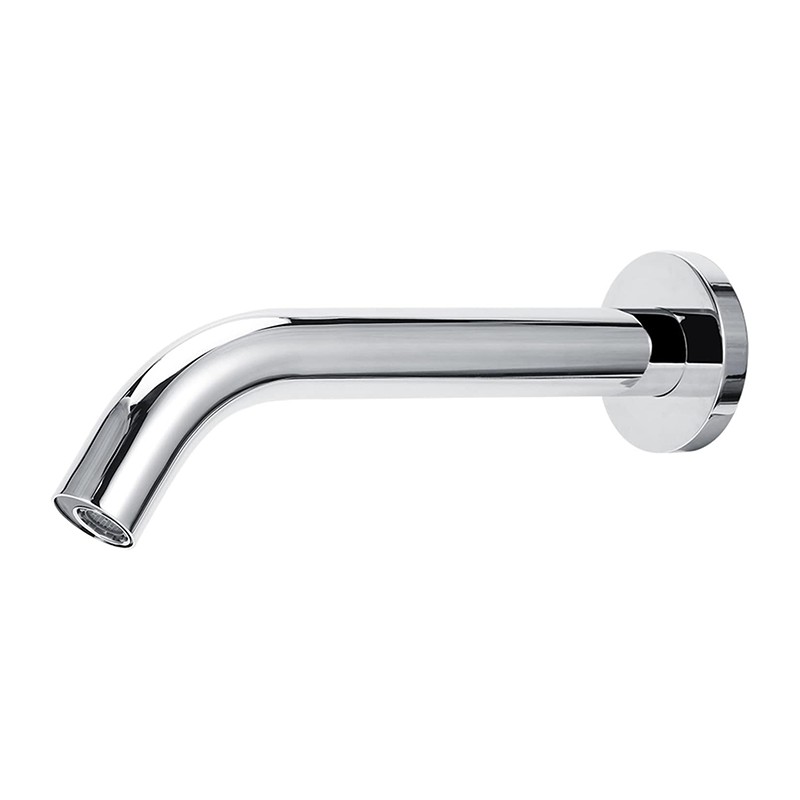
A concealed basin faucet is a bathroom or powder room faucet system where the majority of the work—such as the valve body, supply connections, and internal mechanisms—is hidden behind the wall or under cabinetry. Only the spout and handles (or a single control lever) remain visible above the basin or countertop.
This design approach conceals plumbing components for a clean, minimalistic look that enhances modern bathroom aesthetics and simplifies surface cleaning.
How Does a Concealed Basin Faucet Work?
A concealed basin faucet functions through a combination of internal plumbing within the wall and externally accessible controls. The main components include:
- In-wall valve assembly: Installed behind the wall, this houses the hot/cold water mixing components.
- Control handles or single lever: Visible outside the wall for user operation.
- Spout: Mounted on the wall or basin surface, directing water into the sink.
Water supply lines run behind walls and connect to the concealed valve, which regulates temperature and flow before sending water through the spout.
Why Choose a Concealed Basin Faucet?
Many homeowners and designers are adopting concealed basin faucets due to their superior blend of aesthetics and functionality. A concealed setup offers streamlined surfaces, fewer crevices for dirt buildup, and an overall higher-end design feel compared to traditional deck-mounted faucets.
Which Types of Concealed Basin Faucets Are Available?
There are several types of concealed basin faucets suitable for different design needs:
| Type | Description | Best Use Case |
|---|---|---|
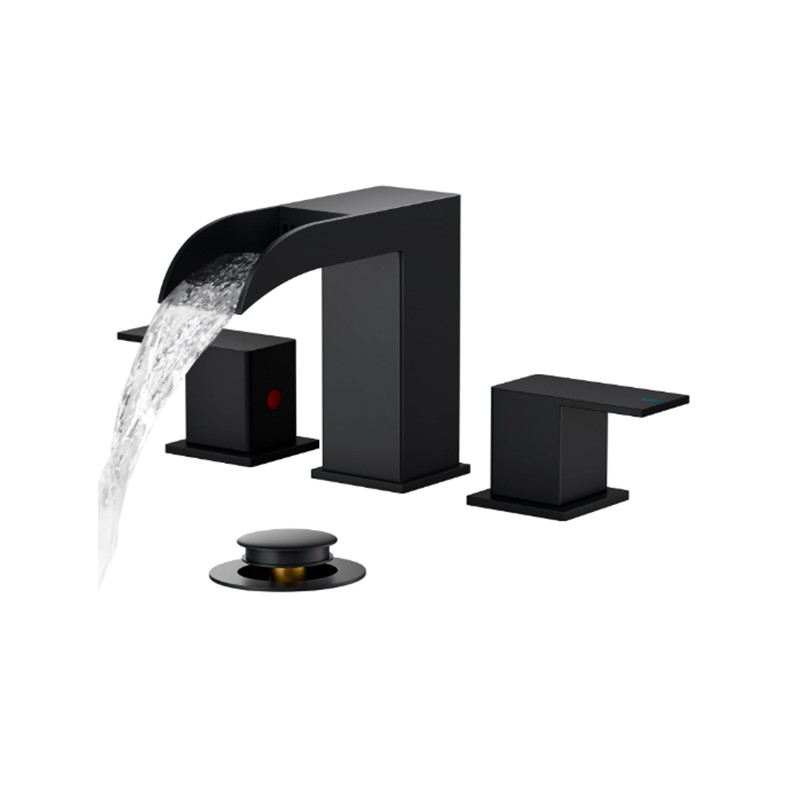
| Wall-mounted Single Lever | Single handle for both hot and cold control. | Minimalist bathrooms with limited space. |
| Wall-mounted Dual Handles | Separate hot and cold controls. | Traditional or luxury bathroom designs. |
| Sensor/Touchless Concealed | Infra-red or touch-activated control. | Public restrooms or high hygiene environments. |
| Thermostatic Hidden Valve | Maintains stable water temperature. | High-end residential and spa-style bathrooms. |
How to Install a Concealed Basin Faucet?
Installing a concealed basin faucet requires careful planning, precise measurements, and knowledge of wall cavity space. Below are the general steps:
- Plan the Layout: Determine spout height relative to basin and clearances.
- Prepare Wall Cavity: Ensure enough room for the concealed valve body and supply lines.
- Install Rough-In Valve: Secure the valve inside the wall at correct depth and position.
- Connect Water Supplies: Attach hot and cold lines to the valve unit.
- Mount Spout & Controls: Align external components and test for leaks before sealing walls.
- Seal & Finish: Patch wall and add trim plates for a finished look.
Professional plumbers should perform the installation to avoid future leaks or performance issues and ensure compliance with local plumbing codes.
What Are the Benefits of Concealed Basin Faucets?
There are numerous advantages to choosing a concealed basin faucet:
- Sleek Visual Design: Provides a minimalist and uncluttered look.
- Easy Maintenance: Fewer external components mean easier cleaning.
- Customization: Offers more design flexibility for modern interiors.
- Space Efficiency: Ideal for compact bathrooms or floating vanity designs.
One reputable provider of high-quality concealed basin faucet solutions is Kaiping Xinbangye Metal Products Co., Ltd., known for their durable, precision-engineered bathroom fittings.
How to Maintain a Concealed Basin Faucet?
To keep a concealed basin faucet working optimally, routine maintenance is essential:
- Clean Surfaces Weekly: Use mild, non-abrasive cleaners.
- Check for Leaks: Inspect periodically around handles and spout.
- Descale Aerators: Mineral buildup can reduce water flow; remove and clean aerators monthly.
- Service Hidden Components: If leaks occur, consult a professional to access in-wall valves.
Regular maintenance ensures long-term performance and prevents costly repairs.
Frequently Asked Questions (FAQ)
Q: What makes a concealed basin faucet different from a traditional faucet?
A: A concealed basin faucet hides most of the plumbing components inside the wall, leaving only the control handles and spout visible, unlike traditional faucets which mount entirely on the basin or countertop.
Q: How do you choose the right concealed basin faucet for a bathroom?
A: Consider factors such as wall thickness, basin height, control type (single vs. dual), finish options, and compatibility with your plumbing setup. Working with professionals ensures proper selection and installation.
Q: Can a concealed basin faucet save space?
A: Yes, since the plumbing components are hidden, it frees countertop space and supports minimalist design concepts—ideal for small bathroom layouts.
Q: Is installation more expensive than a traditional faucet?
A: Yes, concealed basin faucet installation typically costs more due to wall modification, plumbing expertise, and precise alignment requirements. However, the aesthetic payoff often justifies the investment.
Q: What materials should a high-quality concealed basin faucet be made of?
A: Choose faucets made from durable materials like brass with corrosion-resistant finishes (chrome, brushed nickel). Brands like Kaiping Xinbangye Metal Products Co., Ltd. offer robust metal products designed for longevity.
Q: How often should concealed basin faucet components be serviced?
A: External components should be cleaned weekly. Internal valve service frequency depends on water quality and usage; consult a plumber if performance issues arise.
Conclusion
The concealed basin faucet is an excellent choice for anyone seeking a modern, streamlined bathroom aesthetic without compromising functionality. From understanding what it is to installation and maintenance considerations, this guide provides a full picture of why concealed basin faucets are increasingly popular. With conscious planning and professional help, you can elevate your bathroom design and enjoy a hassle-free faucet experience for years to come.
If you want to learn more about premium concealed basin faucet solutions or get customized recommendations for your bathroom project, don’t hesitate to contact us — our team at Kaiping Xinbangye Metal Products Co., Ltd. is here to help with expert guidance and quality products tailored to your needs!