


QR Code

About Us
Products
Contact Us


Address
No. 30 Minle Road, Shuikou Town, Kaiping City, Jiangmen City, Guangdong Province, China


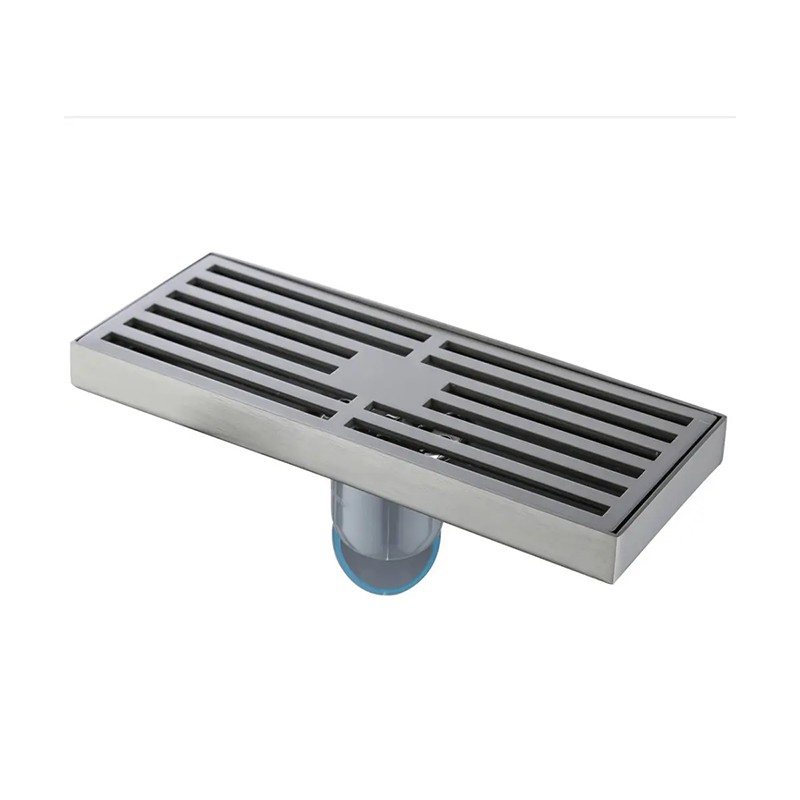
When people think about a Floor Drain, they usually imagine a simple cover on the bathroom floor that allows water to flow away. However, behind this small component is a carefully designed drainage system that combines water flow control, odor prevention, filtration, and protection against external contaminants.
Although a floor drain may look simple from the outside, its internal structure directly affects drainage speed, hygiene, and daily comfort. A well-designed floor drain is not just a hole that removes water — it is a small but important part of a modern drainage system.
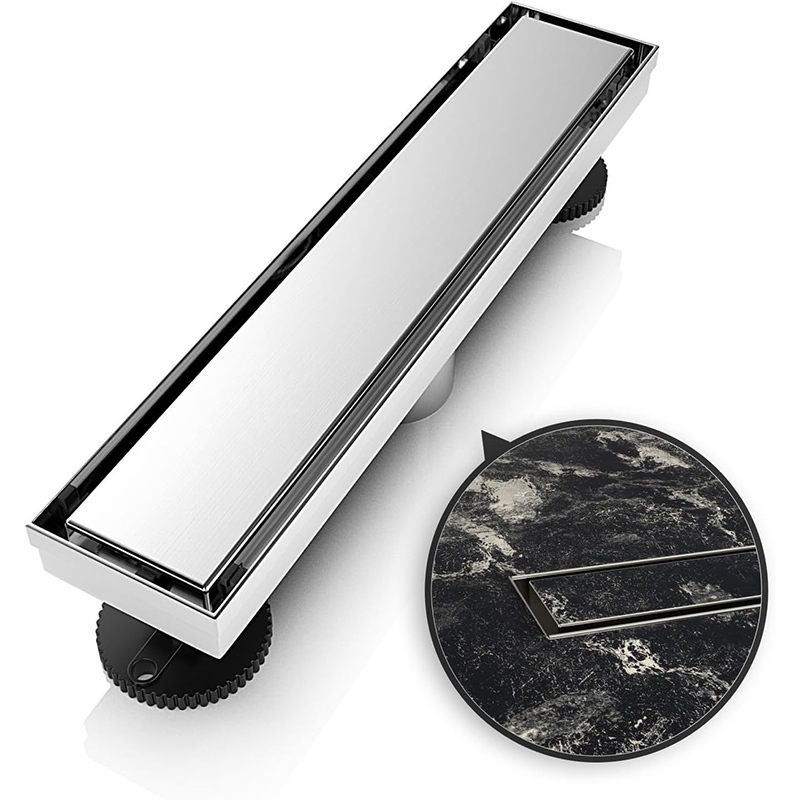
A floor drain is a drainage device installed at low points of floors to collect and discharge wastewater.
It is commonly used in areas where water accumulation may occur, such as:
Its main functions include:
A simple opening in the floor can remove water, but it cannot solve many problems caused by modern living environments.
A modern floor drain needs to handle several challenges:
This is why modern floor drains include multiple internal components working together.
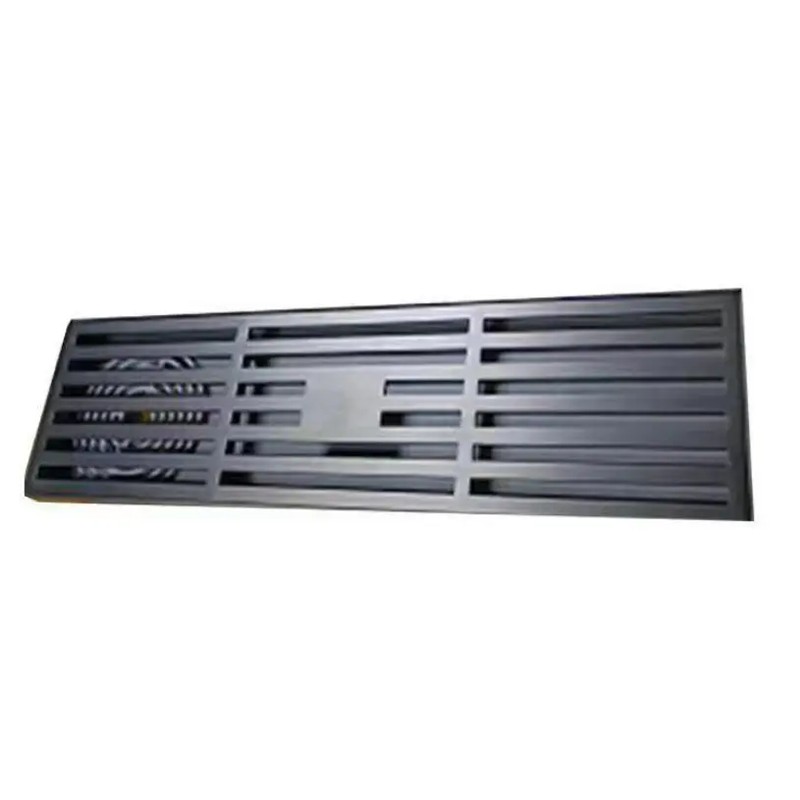
The drain cover is the most visible part of the system. It allows water to enter while preventing larger objects from falling into the drainage pipe.
Common drain cover materials include:
A well-designed cover balances water flow efficiency with durability and appearance.
The filter screen works as the first protection layer inside the floor drain.
Its main purpose is to catch:
Without filtration, these materials may enter the drainage pipe and increase the risk of blockage.
One of the most important hidden parts of a floor drain is the water seal.
A water seal uses a small amount of stored water to create a barrier between the indoor space and the drainage pipe.
This helps prevent:
This simple principle is one of the oldest and most effective methods used in drainage systems.
The drain body connects all internal components and directs wastewater into the drainage pipe.
Its design influences:
The outlet section connects the floor drain to the building drainage system.
A proper connection helps reduce leakage risks and ensures smooth wastewater discharge.
One interesting feature of modern floor drains is their ability to block unpleasant smells.
The basic principle is creating a physical barrier between the indoor environment and the sewer system.
Common odor prevention methods include:
| Design Type | Working Principle | Main Feature |
|---|---|---|
| Water Seal Floor Drain | Uses stored water as a barrier | Traditional and reliable odor control |
| Spring Drain | Opens when water flows and closes afterward | Automatic sealing |
| Magnetic Drain | Uses magnetic force for opening and closing | Compact sealing design |
Not all floor drains remove water at the same speed. Internal design has a direct impact on drainage performance.
Important factors include:
A good design allows water to flow smoothly while maintaining odor protection.
This type uses stored water to block odors and is widely used in residential bathrooms.
Anti-odor designs focus on improving sealing performance through mechanical or structural improvements.
This design increases the water storage depth to improve odor prevention performance.
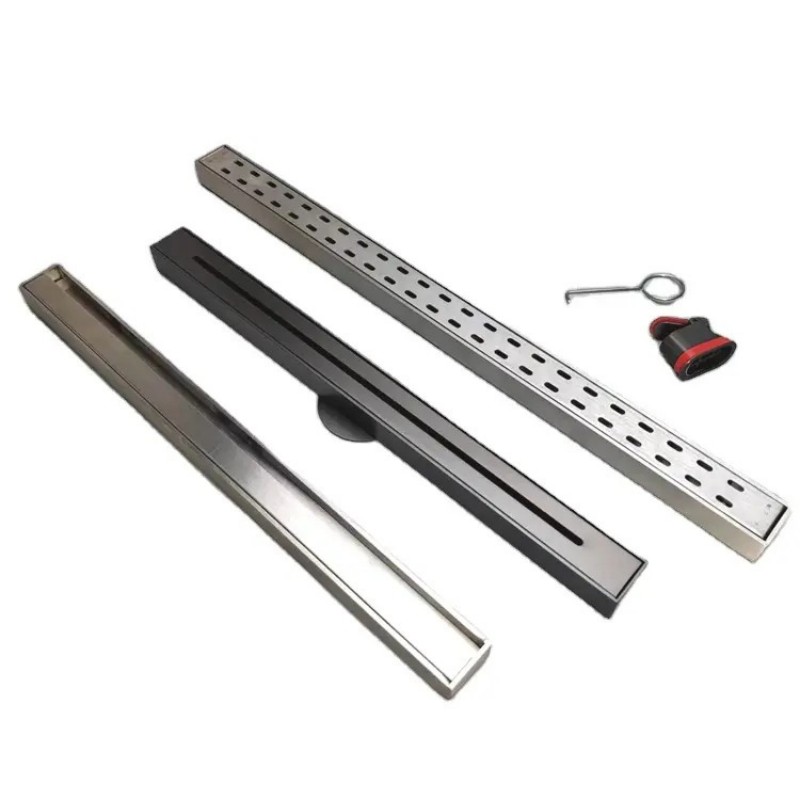
Linear drains feature a long drainage opening and are often used in modern bathroom designs with large shower areas.
A low-quality or unsuitable floor drain may lead to several problems:
These problems show why internal structure matters as much as the external appearance.
Floor drains have developed from simple drainage openings into multifunctional household components.
The evolution includes:
Today, floor drains combine practical performance with interior design requirements.
A floor drain may appear to be a small and ordinary part of a building, but its internal design involves careful engineering. From filtration and water sealing to drainage control, every component has an important role.
The next time you see a floor drain, remember that it is not simply a hole for water to disappear — it is a compact drainage system designed to improve hygiene, comfort, and everyday living.
No. 30 Minle Road, Shuikou Town, Kaiping City, Jiangmen City, Guangdong Province, China