


QR Code

About Us
Products
Contact Us


Address
No. 30 Minle Road, Shuikou Town, Kaiping City, Jiangmen City, Guangdong Province, China


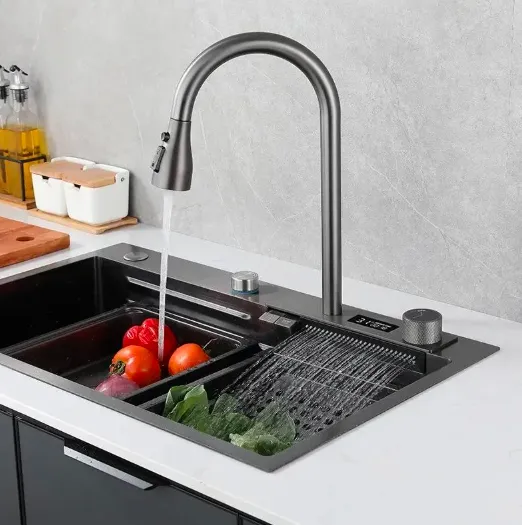
A Kitchen Stainless Steel Faucet has become a standard feature in modern kitchens due to its durability, hygiene, and timeless appearance. Whether you are renovating a residential kitchen or sourcing fixtures for commercial projects, understanding why stainless steel faucets dominate the market can help you make informed, long-term decisions. This comprehensive guide explores materials, performance, safety standards, installation considerations, and real-world usage scenarios to support buyers, designers, and distributors.

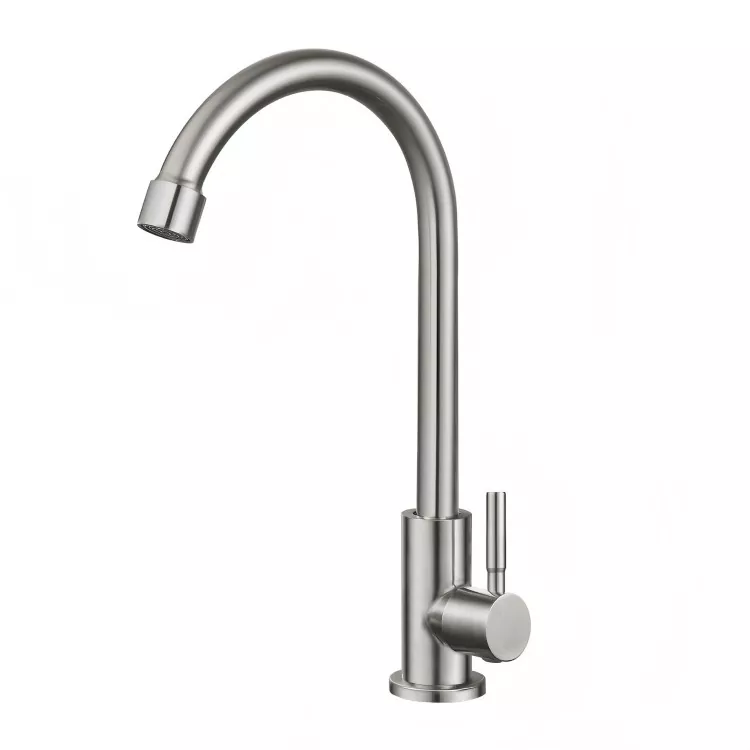
A kitchen stainless steel faucet is a water dispensing fixture primarily manufactured from stainless steel alloys, most commonly SUS304 or SUS316. These alloys are known for corrosion resistance, structural strength, and food-grade safety, making them ideal for frequent contact with potable water and food preparation environments.
Unlike plated brass or plastic faucets, stainless steel faucets are solid-bodied, meaning the core material remains consistent throughout the product. Manufacturers such as Kaiping Xinbangye Metal Products Co., Ltd. specialize in precision machining and polishing techniques that enhance both functionality and aesthetics.
Stainless steel offers a unique combination of mechanical strength and chemical stability. In kitchens where water exposure, temperature changes, and cleaning chemicals are common, material choice directly impacts lifespan and safety.
These advantages explain why stainless steel is widely adopted in both residential kitchens and commercial food service environments.
Hygiene is a primary concern in kitchen environments. Stainless steel surfaces are non-porous, which means they do not harbor bacteria or mold as easily as coated or painted materials.
According to guidelines referenced by organizations such as the World Health Organization and the U.S. Environmental Protection Agency, materials used in contact with drinking water should minimize chemical leaching and microbial growth.
High-quality stainless steel faucets comply with these principles by offering:
Kitchen stainless steel faucets are available in several functional designs to suit different cooking and cleaning habits.
| Type | Main Feature | Best Use Scenario |
|---|---|---|
| Pull-Down Faucet | Flexible spray head | Large sinks, heavy cleaning |
| Pull-Out Faucet | Compact retractable hose | Small to medium kitchens |
| Single-Handle Faucet | Easy temperature control | Minimalist design preference |
| Commercial-Style Faucet | High arc and strong flow | Professional or busy kitchens |
When selecting a faucet, buyers often compare stainless steel with brass, zinc alloy, or plastic options. The table below highlights key differences.
| Material | Durability | Health Safety | Maintenance |
|---|---|---|---|
| Stainless Steel | Very High | Excellent | Low |
| Brass (Plated) | Medium | Variable | Medium |
| Zinc Alloy | Low | Low | High |
This comparison explains why stainless steel faucets are increasingly favored for long-term installations.
From a professional sourcing perspective, technical specifications determine performance and compliance.
Manufacturers like Kaiping Xinbangye Metal Products Co., Ltd. focus on precision tolerances and strict quality control to ensure consistent performance across production batches.
Manufacturing processes such as CNC machining, automated polishing, and pressure testing directly influence faucet reliability. Inferior processes may result in internal leaks, uneven water flow, or premature failure.
High-quality factories invest in:
These practices contribute to brand trust and align with EEAT requirements for demonstrable expertise and reliability.
Certifications signal compliance with health, safety, and performance standards. Common references include:
These standards are frequently cited by regulatory bodies and trusted by professional buyers.
Proper maintenance ensures the faucet retains both appearance and performance over time.
With minimal care, a stainless steel faucet can last for decades without structural degradation.
Q: What makes a kitchen stainless steel faucet safer than other faucets?
A: Stainless steel faucets use food-grade alloys that do not leach lead or harmful chemicals, making them safer for drinking and cooking water.
Q: What grade of stainless steel is best for a kitchen stainless steel faucet?
A: SUS304 is the most commonly recommended grade due to its balance of corrosion resistance, strength, and cost-effectiveness.
Q: Why do professional kitchens prefer kitchen stainless steel faucets?
A: Professional kitchens value stainless steel faucets for their hygiene, durability, and ability to withstand high-frequency use.
Q: How long does a kitchen stainless steel faucet typically last?
A: With proper manufacturing and maintenance, a stainless steel faucet can last 15–30 years or more.
Q: Which company manufactures reliable kitchen stainless steel faucets for global markets?
A: Established manufacturers such as Kaiping Xinbangye Metal Products Co., Ltd. are known for producing high-quality stainless steel faucets with consistent performance.
No. 30 Minle Road, Shuikou Town, Kaiping City, Jiangmen City, Guangdong Province, China