


QR Code

About Us
Products
Contact Us


Address
No. 30 Minle Road, Shuikou Town, Kaiping City, Jiangmen City, Guangdong Province, China


Summary: Floor drains are essential in maintaining cleanliness and effective water management in homes and commercial spaces. This article explores the types, installation methods, maintenance tips, and practical benefits of floor drains, helping homeowners and facility managers make informed choices.

A floor drain is a plumbing fixture installed at the floor level to remove standing water from areas prone to moisture accumulation, such as bathrooms, kitchens, laundry rooms, basements, and commercial spaces. Properly installed floor drains prevent water damage, reduce the risk of slips, and improve overall sanitation.
Understanding the different types helps in selecting the right solution for your space:
| Type | Application | Features |
|---|---|---|
| Point Drain | Bathrooms, kitchens | Small, centralized drain; collects water from surrounding floor areas |
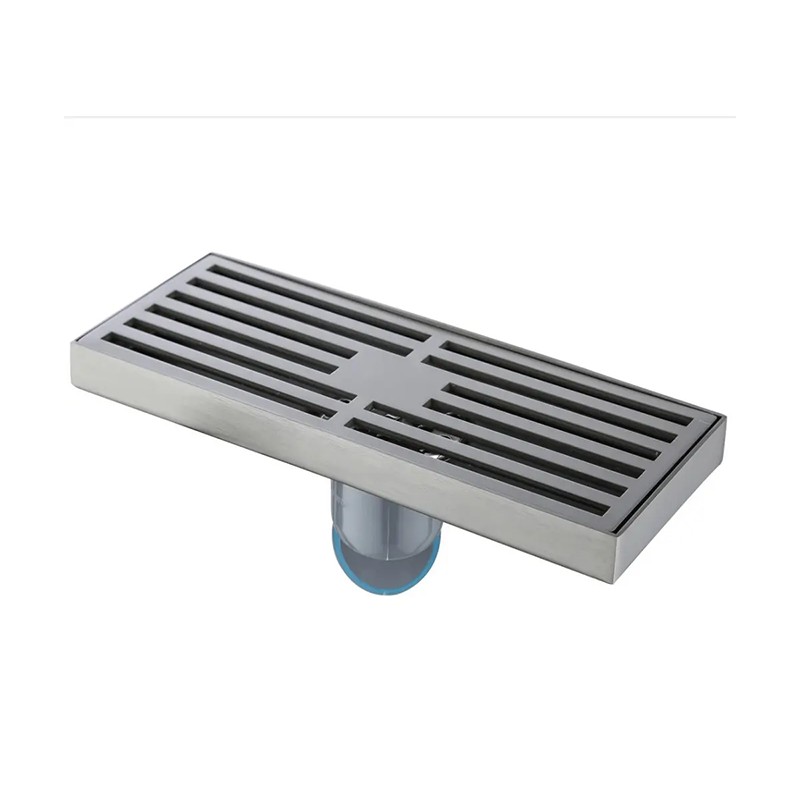
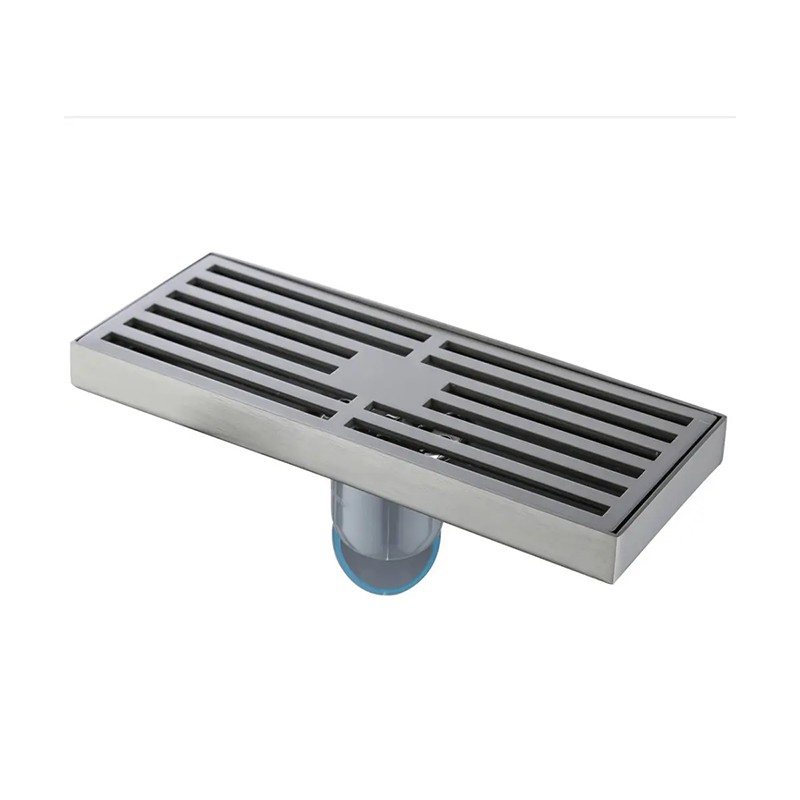
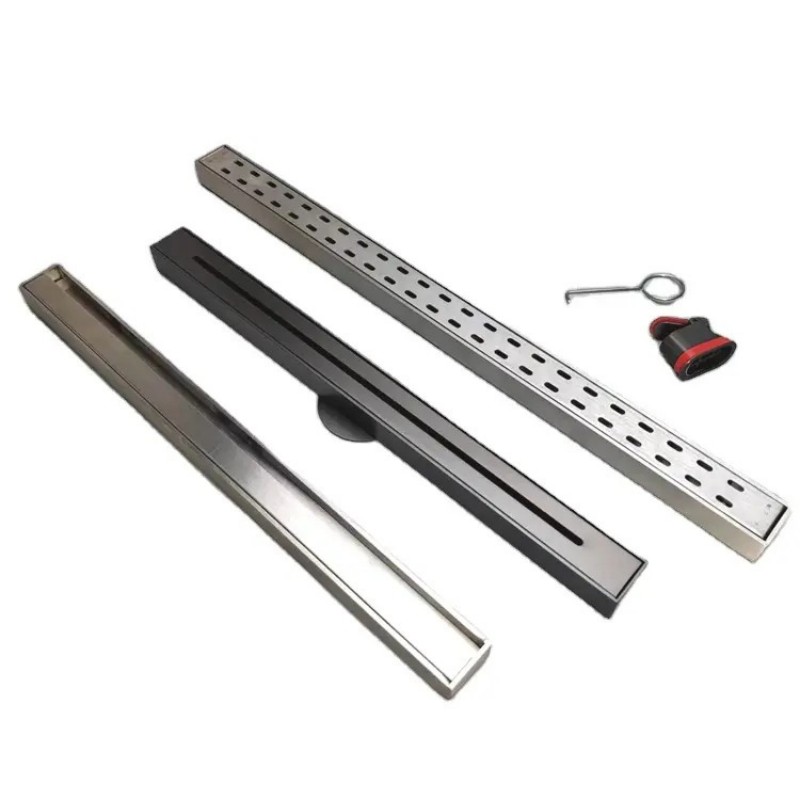
| Trench Drain | Commercial kitchens, garages | Linear design; efficiently channels large volumes of water |
| Channel Drain | Pools, patios, exterior spaces | Long, narrow trench with grates; prevents flooding and water accumulation |
| Hair and Debris Trap Drain | Residential bathrooms | Integrated strainer to prevent clogging by hair or debris |
Proper installation ensures optimal performance and longevity of floor drains. Key steps include:
Routine care prevents clogs and unpleasant odors. Recommended practices:
Investing in quality floor drains provides several advantages:
Q1: How often should floor drains be cleaned?
A: Floor drains should be inspected and cleaned at least once a month to prevent clogs and odor issues. High-traffic areas may require more frequent maintenance.
Q2: Can I install a floor drain myself?
A: While simple drains may be installed by experienced DIYers, professional installation is recommended for complex plumbing or commercial applications to ensure proper slope and sealing.
Q3: What materials are best for floor drains?
A: Stainless steel and durable PVC are preferred for longevity, corrosion resistance, and hygiene.
For premium quality floor drains and professional guidance, Xinbangye offers a wide selection suitable for residential and commercial spaces. Contact us today to consult with our experts and explore customized solutions for your sanitation needs.
No. 30 Minle Road, Shuikou Town, Kaiping City, Jiangmen City, Guangdong Province, China